Why Taiwanese Oolong Leaves Are Ball-Rolled — Clot
- Teagraphy’s English home page explains that Taiwanese tea is repeatedly cloth-rolled (wrapped in cloth and rolled into a ball) and broken up again, gradually forming the distinctive round shape.
- That round shape is why leaves unfurl slowly when hot water is poured, allowing oolong to be infused many times with a lingering aftertaste—official brand wording, not a shop myth.
- Japanese home copy names the same pair of steps 包揉 (cloth-rolling) and 玉解 (breaking up), linking the round leaf to multi-steep drinking.
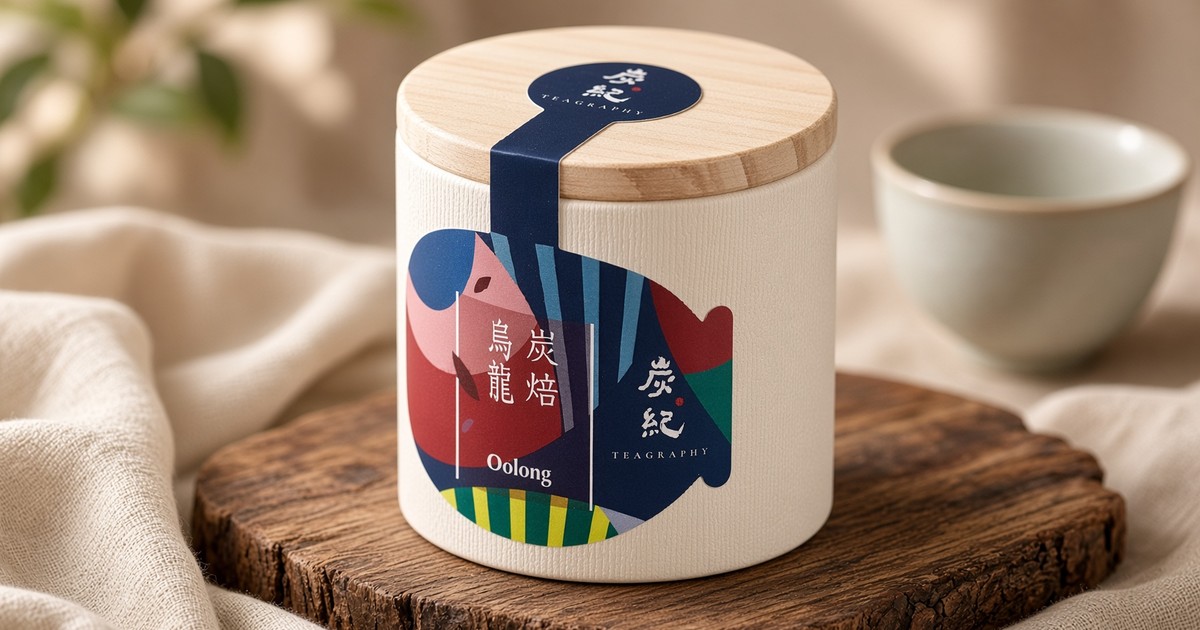
- Teagraphy’s charcoal-roasted Four Seasons oolongs (including Red Oolong, Si Ji Chun, and Oolong cans) are sold as whole leaf that benefits from this unfurling behaviour.
- This article focuses on leaf shape and re-steeping—not a full five-step processing essay or charcoal-versus-electric comparison.
Those little green-brown pearls in a Taiwanese oolong tin are not a marketing gimmick—they are the visible result of cloth-rolling craft. Teagraphy’s English home page puts it plainly: during processing, Taiwanese tea is repeatedly “cloth-rolled” (wrapped in a large cloth and rolled into a ball) and “broken up” again, gradually forming its distinctive round shape.
Cloth-rolling, then breaking up—again and again
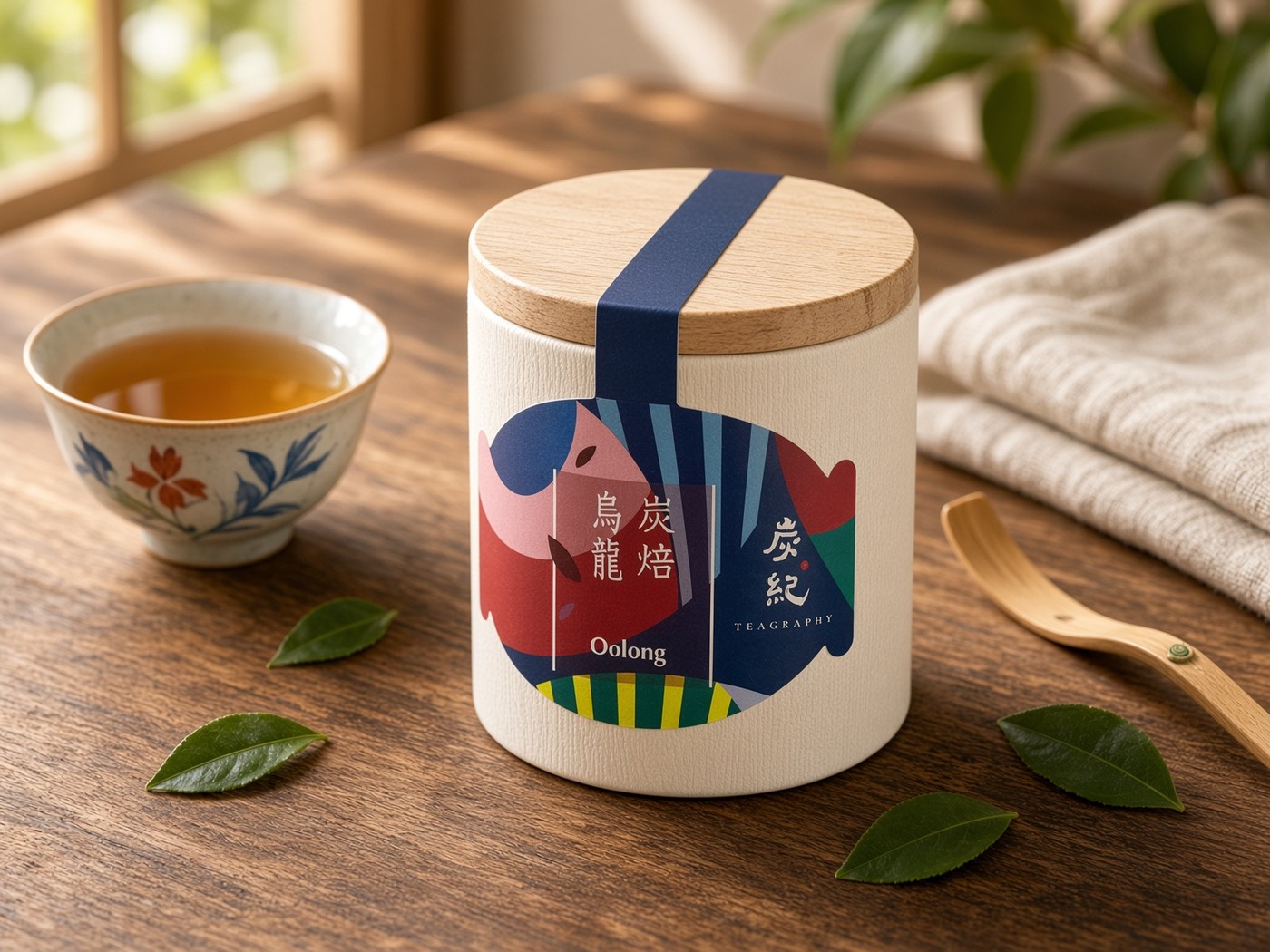
Think of the leaf being gathered into a cloth bundle, rolled under pressure into a dense ball, then loosened in a tumble dryer so the next roll can reshape it. Japanese home copy names the same pair of steps 包揉 and 玉解. The cycle is what turns open leaf into the tight pearls you scoop from a Teagraphy can.
This article stays with leaf shape and the cup—not a full five-stage processing lecture, and not a charcoal-versus-electric roast debate (those live elsewhere in the Teagraphy journal).
Why round leaves re-steep so kindly
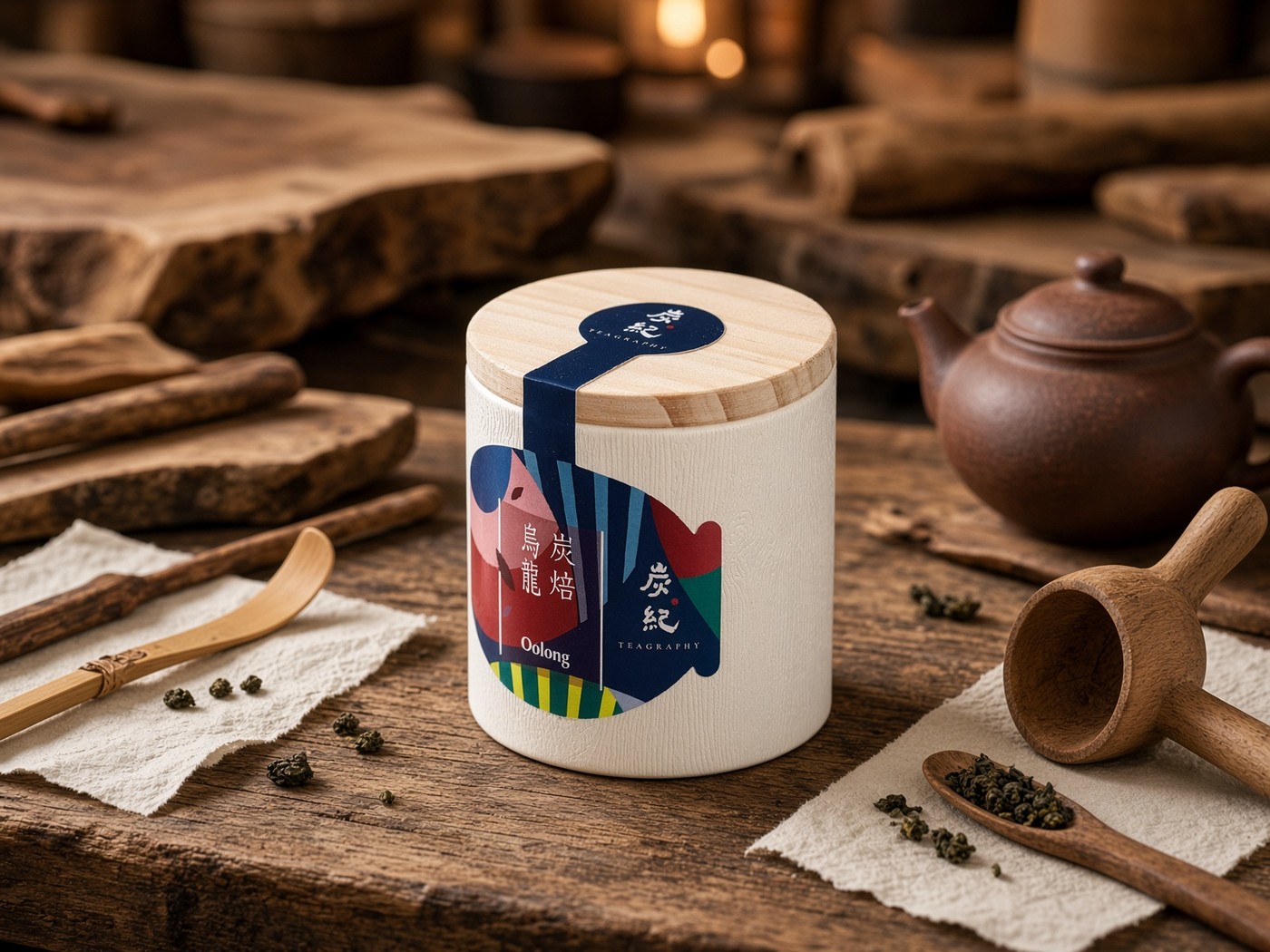
Because the ball opens from the outside in. Official EN wording: when brewed, the leaves unfurl slowly as hot water is poured, allowing oolong to be infused many times with a lingering aftertaste. JP home copy says the same in gift-friendly language—pour again and again as the leaf gradually wakes.
That is why a small scoop of Teagraphy charcoal-roasted oolong can carry a quiet evening: each steep shows a slightly different layer as more of the leaf surface meets water.
How to brew ball-rolled Teagraphy oolong
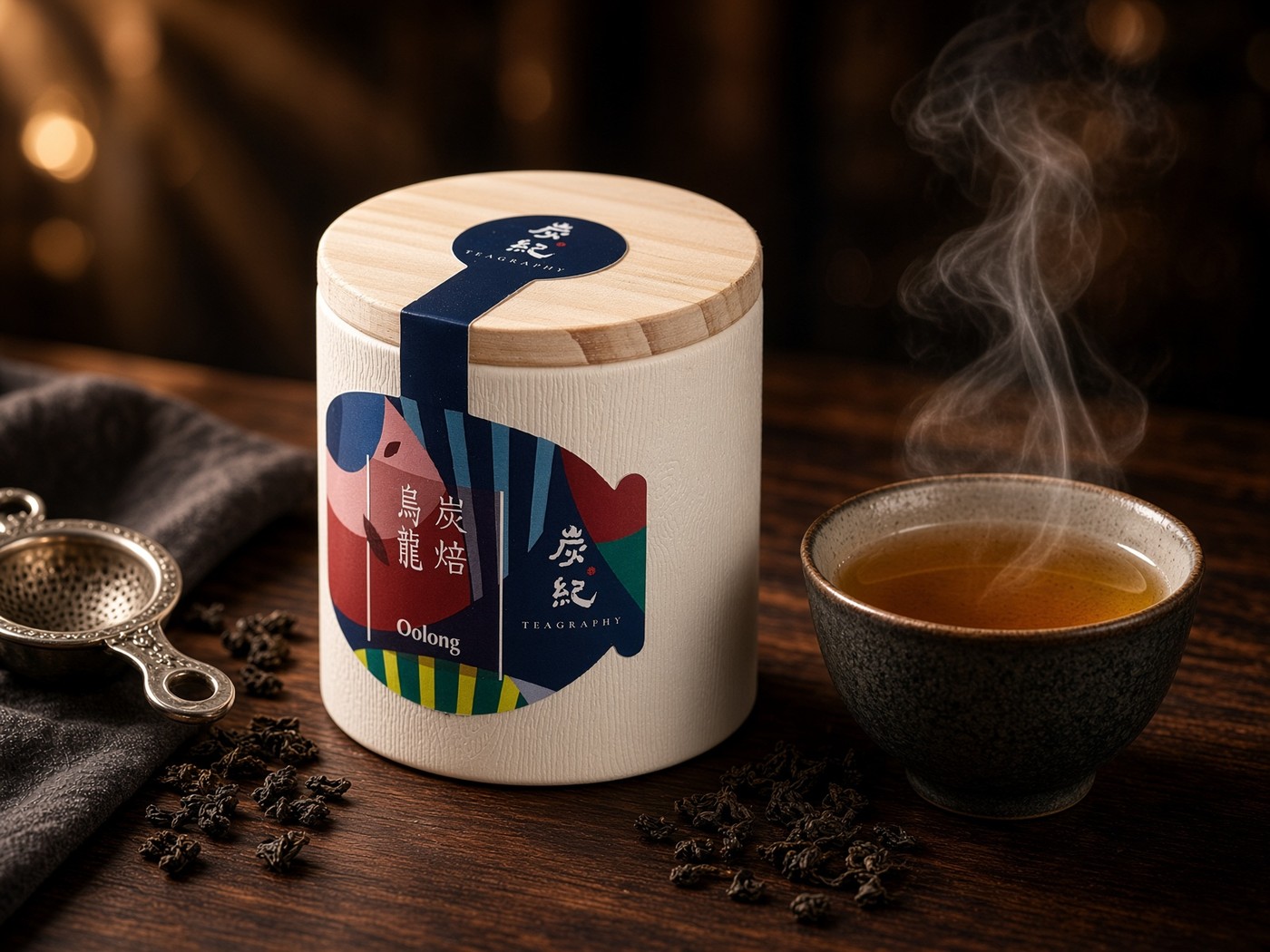
Give the pearls a vessel with room—teapot, gaiwan, or a roomy basket. Keep water hot. If you follow Teagraphy’s English Cangui-style sachet guidance, the locked numbers are 95–100°C · 6–7 g · 300 ml · 6–7 minutes for a full single pot. For multi-steep can brewing, Japanese Four Seasons pages print timed rounds (often starting around one minute) up to about six or seven infusions—use the guide on the SKU you own.
- Shape craft: cloth-rolling + breaking up → round leaf (EN/JP home).
- Cup effect: slow unfurl → many infusions, lingering finish.
- Roast (separate stage): longan charcoal on Teagraphy’s charcoal-roasted line.
- Shop: browse charcoal-roasted oolongs including Oolong, Si Ji Chun, and Red Oolong.
Next time you tip pearls into a pot, you are watching cloth-rolling craft open in real time—one of the quiet pleasures of Taiwanese oolong.